

Q & A with the Westlark Team
Westlark Advisors is passionate about sharing our extensive market expertise. Our energy advisors are deeply knowledgeable about the energy industry, which translates into measurable savings and experienced guidance for our clients.
A few weeks ago, we launched a new blog series called – Q & A with the Westlark Team – with the goal of answering some of the questions on the minds of energy professionals today.
Q & A with Gabriel Amundarain
Today we are talking with Team Member, Gabriel Amundarain, Commodity Advisor.
1. Based on your experience, what do you think are the top two or three market factors currently impacting propane/LPG prices?
It all comes down to the same thing in the end: the price of oil calls the shots. When the price of crude starts to rise, you see the same effect on propane and other by-products almost immediately—within a day or two. Beyond that, the usual market variables come into play. Supply and demand. Seasonality—winter versus summer.
There are secondary factors that contribute to the mix but carry less weight. For example: inventory levels, exports, individual customer distribution costs… and something that didn’t used to be top-of-mind but has become quite significant lately – political and regulatory issues.
2. How do you see the current geopolitical events impacting the global propane/LPG markets?
Geopolitical conflicts in the last few years have significantly impacted the energy market, particularly LPG and propane.
The conflict between Russia and Ukraine caused major supply chain disruptions and triggered sanctions reducing product availability in key markets such as Europe and Asia. This scenario drove a diversification of supply sources, with regions like the Middle East increasing production and exports to help bridge the gap.
Recently, tensions in the Middle East have continued to affect the market, primarily through constraints on transport routes and indirect impacts on oil prices. This has contributed to sustained upward pressure on the prices of derivative products.
Additionally, two major structural dynamics stand out.
- First is the sustained growth in consumption within highly populous nations like China and India. In these countries, propane serves not only as an energy source but also as a feedstock for the petrochemical industry. This places additional pressure on global demand.
- Second is the energy transition process. While there is a push toward cleaner energy sources, current infrastructure does not yet allow for a complete shift. In this context, propane is positioned as a transition fuel due to its relatively lower environmental impact. This increases propane’s importance and demand in the short to medium term.
Taken together, these factors create a dynamic market environment that is highly sensitive to both geopolitical events and long-term structural trends.
3. Have you seen a difference in how energy industry professionals in different global regions react to the current market?
I have. These differences are generally heavily shaped by the most critical issues facing each market.
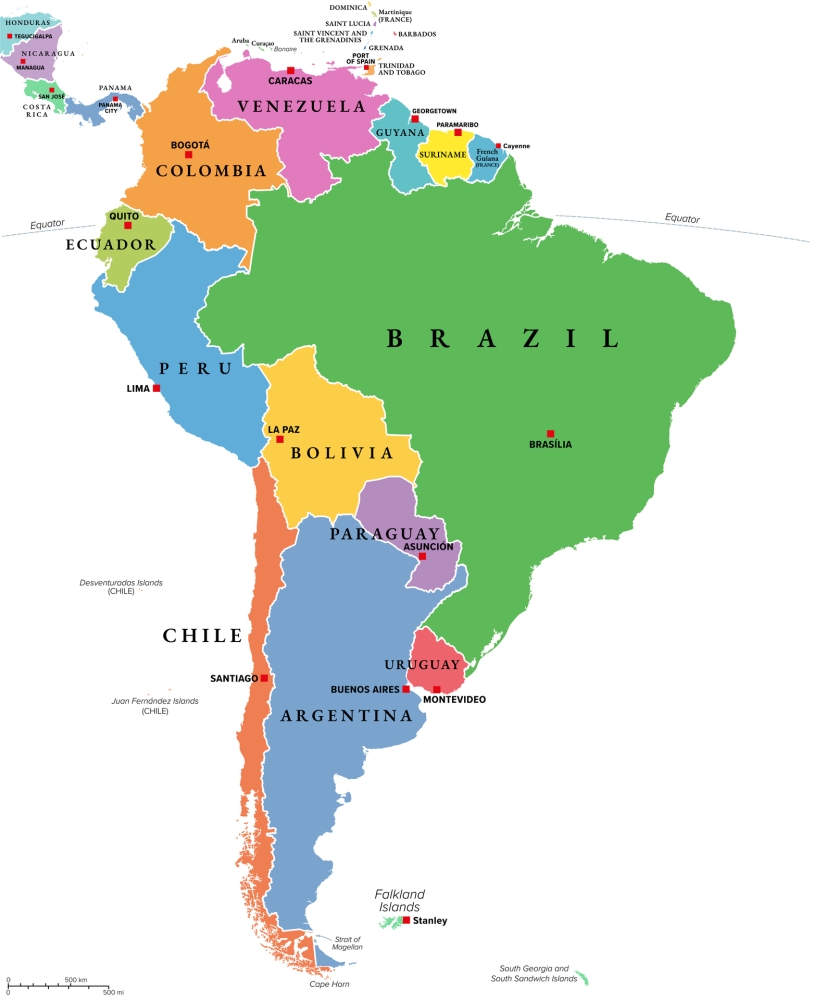
For instance, in South America, I have noticed that the primary concern revolves around issues such as:
- lack of infrastructure for product receipt and distribution
- regulatory challenges
In many cases, local regulations and government intervention end up affecting free trade and creating market distortions.
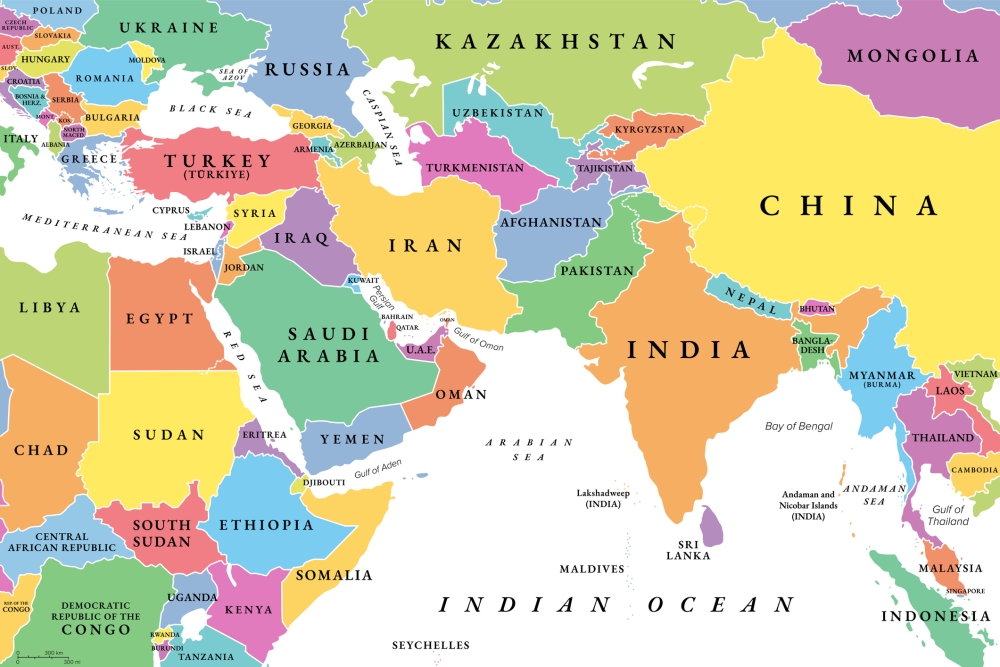
On the other hand, in regions like Asia and the Middle East, the approach tends to differ. There, I have observed a greater emphasis on issues such as:
- securing reliable supply sources
- aligning with international benchmarks, enabling them to maintain competitive prices in the global market
That said, there is a clear common thread. All markets, regardless of region, are focused on guaranteeing supply. There is a widespread need to import and ensure product availability. This is why most markets are constantly evaluating and implementing alternatives to secure product in a safe and sustainable manner.
4. What advice would you offer propane distributors preparing for another supply season?
I would recommend distributors first adopt a comprehensive strategy focused on efficient supply management and cost control. This should include features that manage recognized demand yet also take into account the possibility for unforeseen spikes or additional needs.
I would also suggest that distributors examine their suppliers and sourcing channels. There are typically three main channels suppliers use when sourcing product to feed their storage tanks:
- rail (primarily)
- maritime transport
- pipelines

Advice to propane distributors:
1. Adopt a comprehensive strategy
2. Diversify transportation modes
3. Invest in adequate infrastructure
Depending solely on suppliers whose logistics rely on one mode of transport (like rail) can create significant supply risks and operational challenges. For example, if bad weather disrupts a specific railway, multiple suppliers could be impacted simultaneously. For this reason, optimizing supply sources is critical. Diversifying across different transportation modes helps improve reliability and resilience.
Another critical area to highlight is the importance of investing in adequate infrastructure. Possessing or having access to storage and product-handling capacity is key to meeting commercial demand – especially in high-consumption areas – and ensuring optimal levels of operational autonomy.
5. What is the biggest change you have noticed in the propane/LPG industry?
One of the most significant changes I have seen in the propane/LPG market is its evolution from a traditionally local business—primarily linked to heating—into a fully globalized market. Propane has assumed a strategic role as a transition fuel, facilitating the replacement of more polluting fuels such as firewood and coal. This not only helps reduce environmental impact but also leads to significant improvements in public health and air quality.
Against this backdrop, the United States has established itself as the world’s leading LPG exporter, opening up business opportunities that were not previously apparent. At the same time, certain U.S. reference points have taken on an international dimension. A prime example is Mont Belvieu, which has evolved from a regional reference point into a key benchmark for the global LPG trade. This phenomenon reflects the market’s level of integration, where local decisions can have direct global repercussions.
Then there is the development of new technologies—particularly in the petrochemical sector, such as propane dehydrogenation (PDH) plants—has further reinforced propane’s importance. Its use as a feedstock for producing plastics and other derivatives positions it as a strategic industrial input, driving up demand and cementing its significance in the global energy and industrial landscape.
6. Has your view of the global energy markets changed since entering the propane/LPG industry?
Entering the propane/LPG industry has significantly shifted how I understand the energy business. When I was involved in oil production, the focus was on associated benchmarks, such as WTI or Brent. Associated gas was largely used as an input to maximize crude oil output and, to a lesser extent, as a feedstock for refining processes. Gas-derived liquids and by-products did not play a strategic role; they were viewed as secondary products obtained in refineries, without a direct focus within the core business.
However, as the market has evolved, my perception has changed radically. Today, I see that gas and its derivatives represent a highly significant business opportunity. Production strategies have shifted to focus on capturing value from propane and other natural gas liquids. These products serve well-defined, growing markets and enjoy increasingly robust global demand. What was previously viewed as a secondary area has proven to be a veritable “gold mine” of value—capable of generating significant revenue and establishing itself as a strategic component of the energy portfolio.
7. What are some things you enjoy about the propane/LPG industry?
One aspect that stands out to me personally is the people in this industry. I have had the opportunity to interact with professionals from various markets and have consistently encountered a high level of commitment, openness to change, and a clear focus on continuous improvement. There is a genuine interest in optimizing processes, driving efficiencies, and ensuring that operations run more effectively and sustainably. These are smart, motivated people who care about making the industry better. I feel privileged to be a part of a group of professionals like this.

Q & A with the Westlark Team
By Gabriel Amundarain